
What to Look for in Supplements and Scalp Care for a Hair Health Routine
Walk into almost any beauty store—or spend five minutes scrolling online—and you’ll find no shortage of products promising healthier, thicker, stronger hair. Vitamins. Serums. Scalp brushes. Lasers. Oils. The choices can become overwhelming very quickly.
As a double board-certified trichologist who spent almost two decades as a master hairstylist, I look at hair care a little differently. I’m less interested in how many products you have in your bathroom and much more interested in whether those products make sense for your hair, your scalp, and the reason you're experiencing changes in the first place.
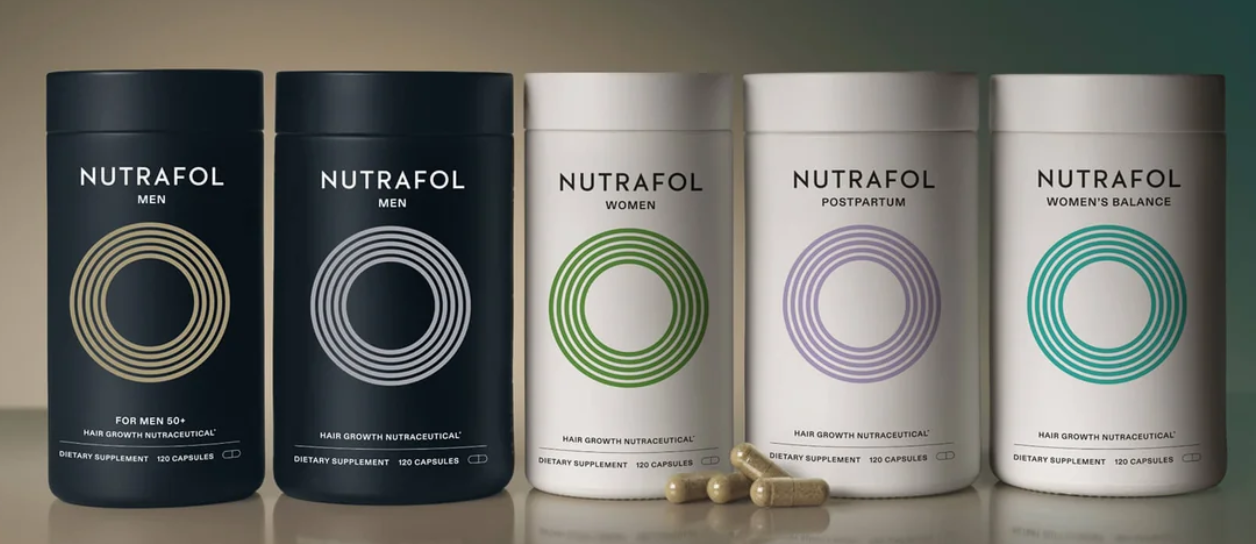
That philosophy is also why I’m selective about the brands and products I recommend to my clients. Recently, I began recommending Nutrafol because its focus on research, quality ingredients, and high manufacturing standards aligns with what I look for as a trichologist when recommending hair-health products. Through my partnership, you can now order Nutrafol products directly from their website with a special discount and free shipping, making it a little easier to build—and stick with—a hair-health routine that works for you.
You can view Nutrafol’s products here.
But instead of just telling you what to buy, I think it's much more important to explain what I look for when deciding whether a hair-health product is worth recommending at all.
Not All Hair Supplements Are Created Equal
One of the first things I look at with any supplement is quality. Dietary supplements aren't FDA-approved before they reach store shelves in the same way medications are, so simply seeing “hair growth” on a bottle doesn't tell me enough about what is actually inside it.
I want to know where and how a supplement is manufactured, whether the ingredients and finished product are tested, whether what's listed on the label is actually what's in the bottle, and whether there is research behind the formulation.
This is one reason I choose Nutrafol for certain clients. Its supplements are manufactured in U.S. facilities certified for Good Manufacturing Practices (GMP), and its Hair Growth Nutraceuticals have earned independent NSF certification. That certification involves things like verifying label claims, testing for contaminants, reviewing product safety, and auditing manufacturing facilities.
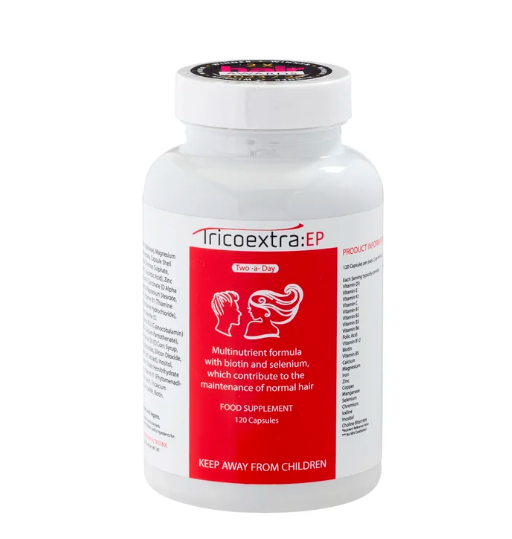
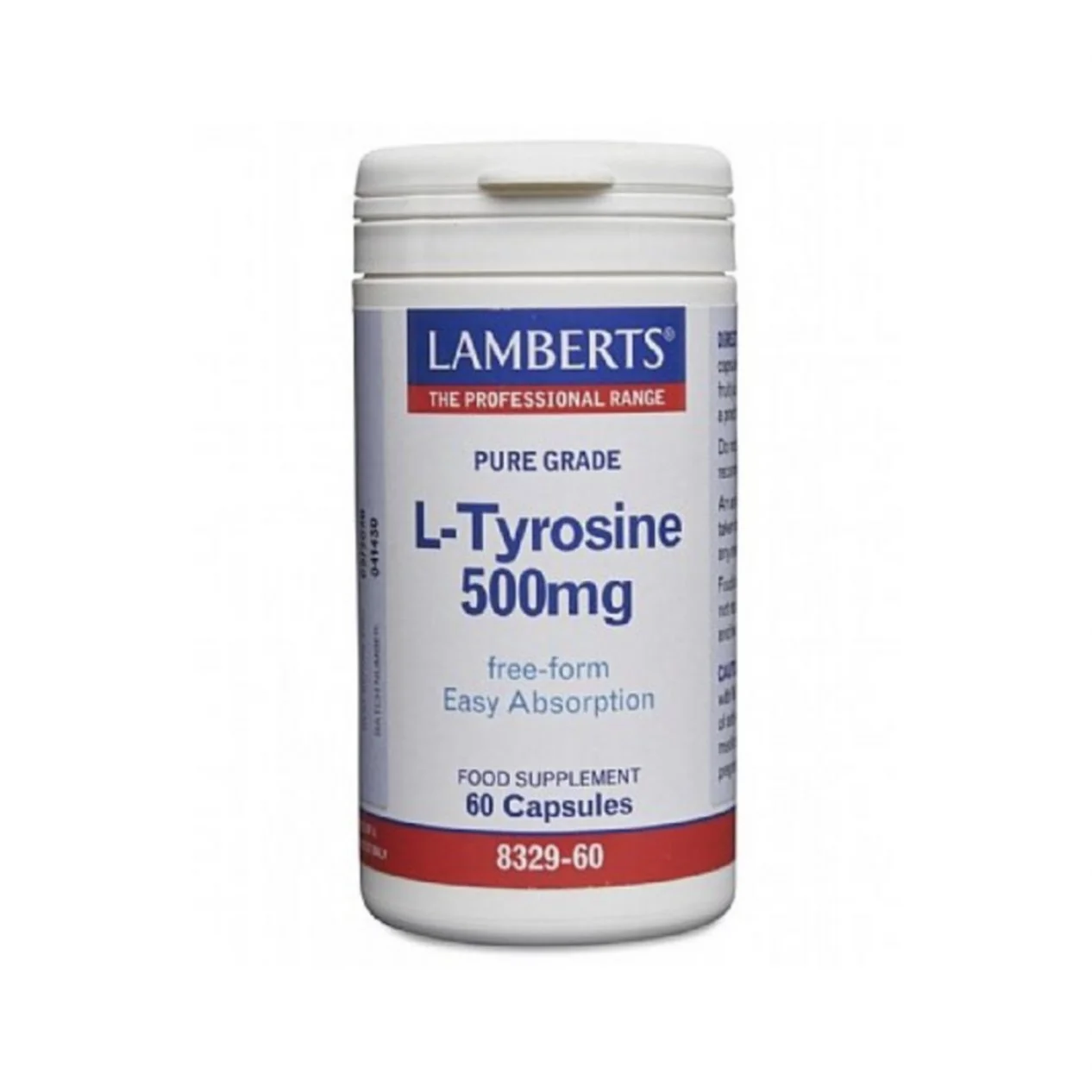
Tricoextra EP supplements are another product I often recommend and sell exclusively at my center because they were created by a trichologist like me who understands the intersection between science and beauty. Similarly, Lamberts offers a range of vitamins and treatments that I carry. You can view a full range of products I support here.
In other words, when you're choosing something you're going to put into your body every day, quality control matters just as much as the ingredient list.
Why I Don’t Automatically Recommend Biotin
Now let's talk about one ingredient that has practically become synonymous with hair vitamins: biotin.
Biotin, or vitamin B7, is an essential nutrient involved in several processes in the body, and a true biotin deficiency can affect the hair. But deficiency is considered uncommon, and research hasn't shown that simply taking more biotin automatically produces more hair in people who already get enough.
There's another reason I'm paying attention to biotin: it can interfere with certain blood tests.
High levels of supplemental biotin can cause inaccurate results on some laboratory tests, including tests involving thyroid hormones. That's important in my world because when someone is experiencing unexplained hair loss, bloodwork can sometimes provide valuable clues about what may be happening internally.
This is why I'm excited to see biotin-free options becoming more readily available. Nutrafol's updated Women's Hair Growth Nutraceutical and its Men 50+ formula, for example, are both biotin-free.
That doesn't mean biotin is “bad,” and it doesn't mean nobody needs it. It means I don't believe we should assume that more of a vitamin is better simply because the bottle says it's good for hair. Your body needs what your body needs. That's a very different thing.
Hair Health Is About More Than a Vitamin
This is where the trichology perspective becomes especially important.
Hair thinning can be influenced by genetics, hormones, stress, nutritional deficiencies, illness, medications, aging, inflammation, scalp conditions, and many other factors. That's why two people can walk into my office complaining of “hair loss” and need completely different approaches.
Nutrafol's product line reflects some of that individuality, with different Hair Growth Nutraceuticals designed around sex, age, and life stage, including formulas for women of all life stages, including those 45+, those going through menopause, and those experiencing postpartum hair changes, as well as men with hair loss, including those 50+.
But even a well-formulated supplement is still one piece of a much larger hair-health picture. If your scalp is inflamed, you may need to address the scalp. If bloodwork reveals a nutritional deficiency, that deserves attention. If you're experiencing androgenetic alopecia or scarring alopecia, your treatment plan may look very different from someone experiencing temporary shedding after illness, stress, or childbirth.
That's why my goal isn't to hand everyone the same bottle. It's to understand what's happening first and then build a routine around it.
Don't Forget the Scalp in Your Hair Health Routine
We talk so much about growing hair that we sometimes forget where hair grows: the scalp.
A healthy hair routine should address both the strands you can see and the scalp microbiome, the environment surrounding the hair follicles. Product buildup, excess oil, flaking, irritation, and certain scalp conditions can all change what your scalp needs.
TTR Scalp Cream
This regular-use treatment is designed for mild to moderate scalp irritation, redness, flaking, and itching.
How it works: It uses a blend of Tea Tree, Rosemary, Salicylic Acid, and Piroctone Olamine (PO) to balance the scalp's microbiome and target the yeast responsible for common irritation.
Key benefits: It reduces oxidative stress, acts as an antimicrobial and antifungal defense, and thickens hair to add volume without making it feel heavy.
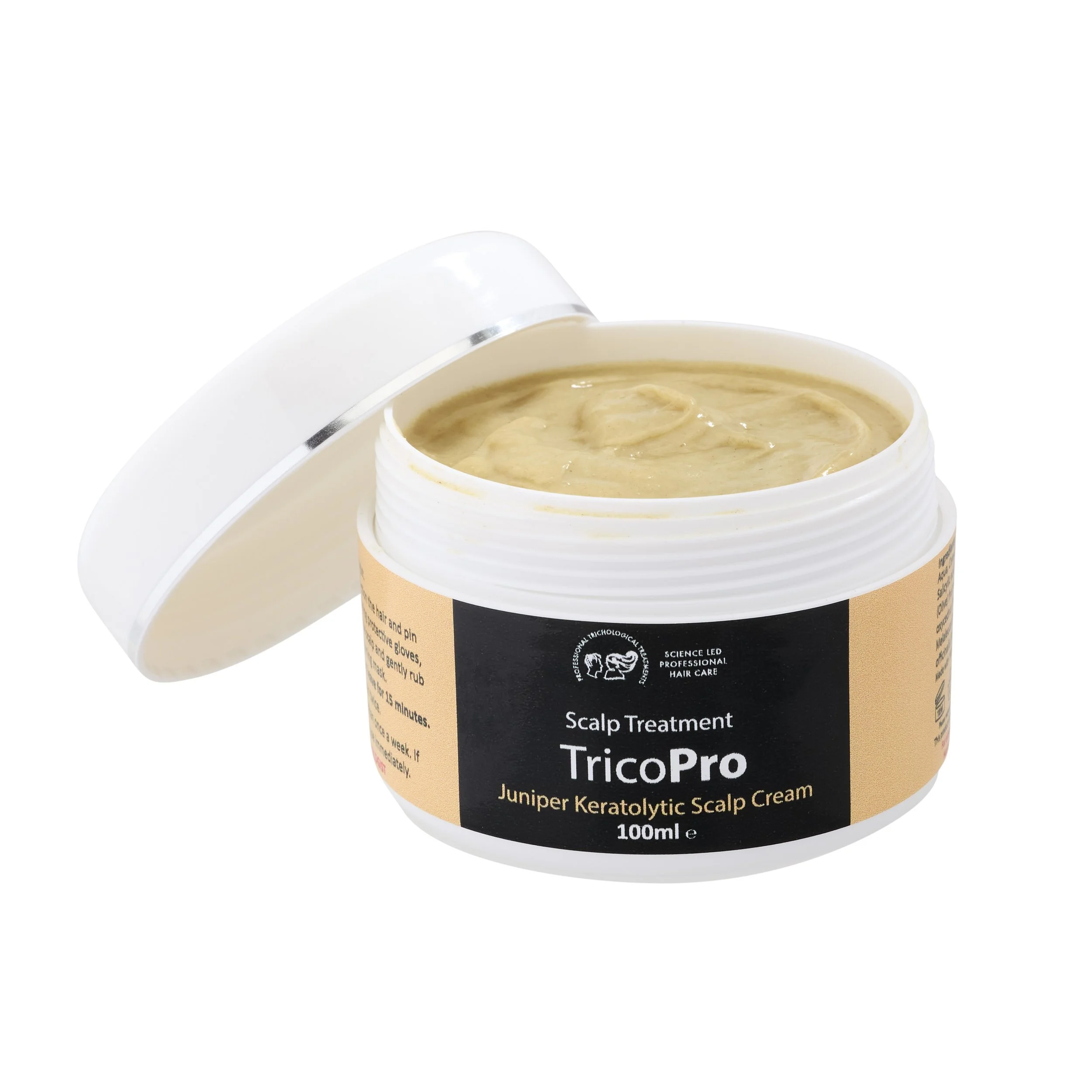
Juniper Keratolytic Scalp Cream
This specialized formula is built to address diagnosed scalp issues like seborrheic dermatitis, eczema, scalp psoriasis, and pityriasis amiantacea.
How it works: It contains a concentrated mix of salicylic acid and cade oil to gently lift stubborn psoriatic plaques and seborrheic dermatitis.
Key benefits: It provides powerful anti-itch, anti-inflammatory, and antimicrobial relief. Formulated with glycerin, rosemary, olive oil, and tea tree, providing suppleness, hydration, and a great antifungal treatment.
The Antioxidant Scalp Cream is ideal for use in male or female pattern hair loss as well as conditions such as telogen effluvium where there is excessive hair shedding. This cream contains Vitamin E, a powerful antioxidant that is combined with menthol. Extensive research shows that menthol keeps the hair in the growing phase for longer as well as penetrating into the hair follicle to stimulate hair growth. It is a supportive weekly treatment and adds to the primary treatments for these hair loss conditions. This cream can also be used for alopecia areata as a supportive treatment to stimulate follicles and encourage hair regrowth.
Or I might suggest a dermaroller because research has found benefits for androgenetic alopecia, particularly when microneedling is used alongside treatments such as topical minoxidil.
And then there's one of the simplest tools of all: the scalp massage brush. Scalp massage feels wonderful and can be a helpful way to work shampoo through the scalp and make scalp care part of your routine. There is some early research looking at massage and hair thickness, but I wouldn't sell a massage brush as a treatment for hair loss—and that's an important distinction.
Sometimes simple really is better. If you want to learn more about all of these products or tools, book a scalp analysis with me. I have many of these, plus other products, exclusively at my center that you can take home when you leave. I ensure everything I offer is research-based, science-backed, and high-quality.
A Better Hair Routine Starts With the Right Questions
Before buying another hair supplement, serum, or gadget, ask yourself a few questions:
What am I trying to address?
What symptoms am I experiencing?
Do I know why my hair is thinning?
What does my scalp look and feel like?
Am I choosing this because it fits my needs or because someone online told me everyone needs it?
That's ultimately what I want people to understand about building a hair-health routine. You don't need everything. You need the right things for you.
That's what I look for as a trichologist, and it's why I'm careful about the brands and products I choose to recommend. The best hair-health routine isn't necessarily the one with the most products. It's the one that makes sense for your follicles, your scalp, and your body. Everyone is different, and without a thorough analysis, you run the risk of putting things on your hair that might not help, or worse, might exacerbate your symptoms.
And if you're not sure what belongs in your routine yet, that's exactly where a trichology consultation and scalp analysis can help.
Copyright 2026 © Penny James Trichology Center
