
Scarring Alopecia: What You Need to Know (And Why Early Diagnosis Matters More Than You Think)
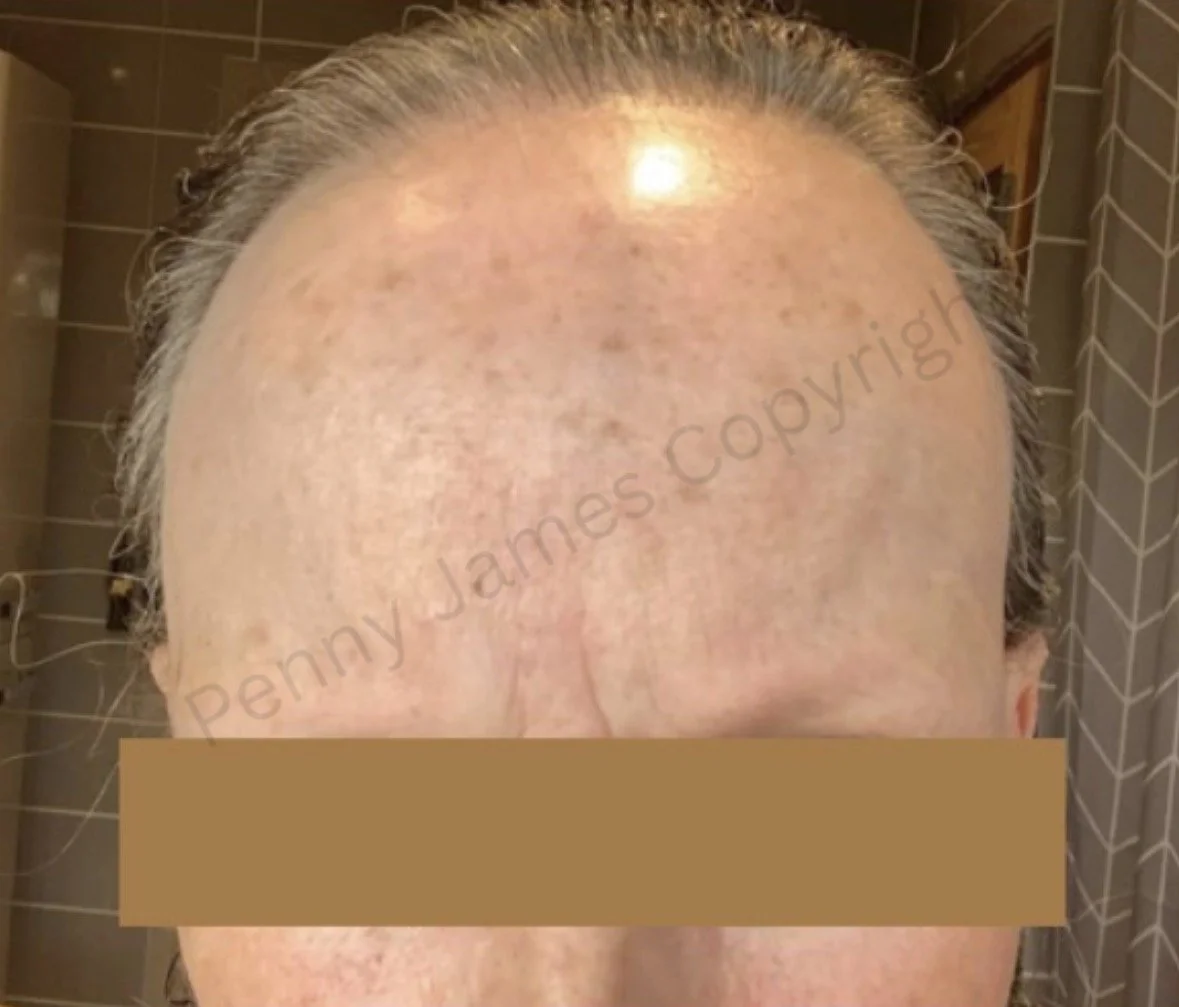
When you Google the word “alopecia,” what comes up?
Most people see images of patchy hair loss or read about autoimmune conditions like alopecia areata. What’s often missing from those search results—and from everyday conversation—is a lesser-known but far more serious category of hair loss: scarring alopecia. And that lack of visibility is part of the problem.
What Is Scarring Alopecia
Scarring alopecia, also known as cicatricial alopecia, is not just hair loss. It is a group of inflammatory conditions that permanently destroy hair follicles. Once a follicle is damaged to that degree, it cannot regenerate. That means the hair loss is irreversible. This is what makes early detection and treatment so critical.
The Reality: Scarring Alopecia is Often Diagnosed Too Late
Here are the facts: scarring alopecia is frequently diagnosed late due to a lack of awareness among patients and, at times, even within general medical care. It rarely starts with obvious hair loss. Instead, it begins subtly.
You might notice:
“It’s just an itch.”
“There’s a little tingling.”
“That burning sensation is back again.”
“My scalp feels tight today.”
“Maybe I just need to change my shampoo.”
And so the cycle continues. Weeks turn into months. Months turn into years. Meanwhile, the inflammation continues beneath the surface, quietly damaging follicles.
What the Research Shows about Scarring Alopecia
I strongly encourage you to read this article from the American Journal of Managed Care. The findings are significant, and frankly, concerning.
Patients with central centrifugal cicatricial alopecia (CCCA), one of the most common forms of scarring alopecia, experience longer delays in diagnosis than any other type.
The average time to diagnosis across scarring alopecias: 3.54 years
For CCCA specifically: 5.67 years
That is over five years of ongoing inflammation before proper diagnosis and treatment. The study also highlights that diagnostic delays can be influenced by multiple factors, including access to care and awareness, but the most important predictor was simply the type of alopecia itself, with CCCA being the most delayed.
This matters because during that time, permanent damage is occurring.
Why Is Scarring Alopecia So Hard to Diagnose?
Scarring alopecia can mimic other, less severe conditions.
It may resemble:
Traction alopecia
Scale on scalp
General scalp irritation
There can also be overlap in symptoms between different types of scarring alopecia, which makes clinical diagnosis more complex. Add to that a general lack of awareness, and it becomes easy to see how someone can go years without answers.
Common Symptoms of Scarring Alopecia You Should Not Ignore
If you’re experiencing any of the following, it’s important to take them seriously:
Burning or stinging sensations on the scalp
Persistent itching that doesn’t resolve
Tenderness or pain
A feeling of tightness, especially in the crown area
Hair breakage or hair that will not grow past a certain point
Thinning that seems progressive or localized
These are not just cosmetic concerns. These can be clinical warning signs.
Why Diagnosis Is Urgent
The goal is not just to treat symptoms. It is to stop the disease from progressing. Scarring alopecia destroys follicles. Once they are gone, they are gone.
But with early intervention, we can:
Reduce inflammation
Slow or halt progression
You Deserve Answers—Not Guesswork
Too many people spend years trying different shampoos, oils, or trends they see online, hoping something will work. Meanwhile, the underlying condition continues unchecked. You deserve more than that.
You deserve:
A clear diagnosis
A strategic treatment plan
A professional who understands the complexity of scalp disorders
Reach out to SAF Scarring Alopecia Foundation www.scarringalopecia.org
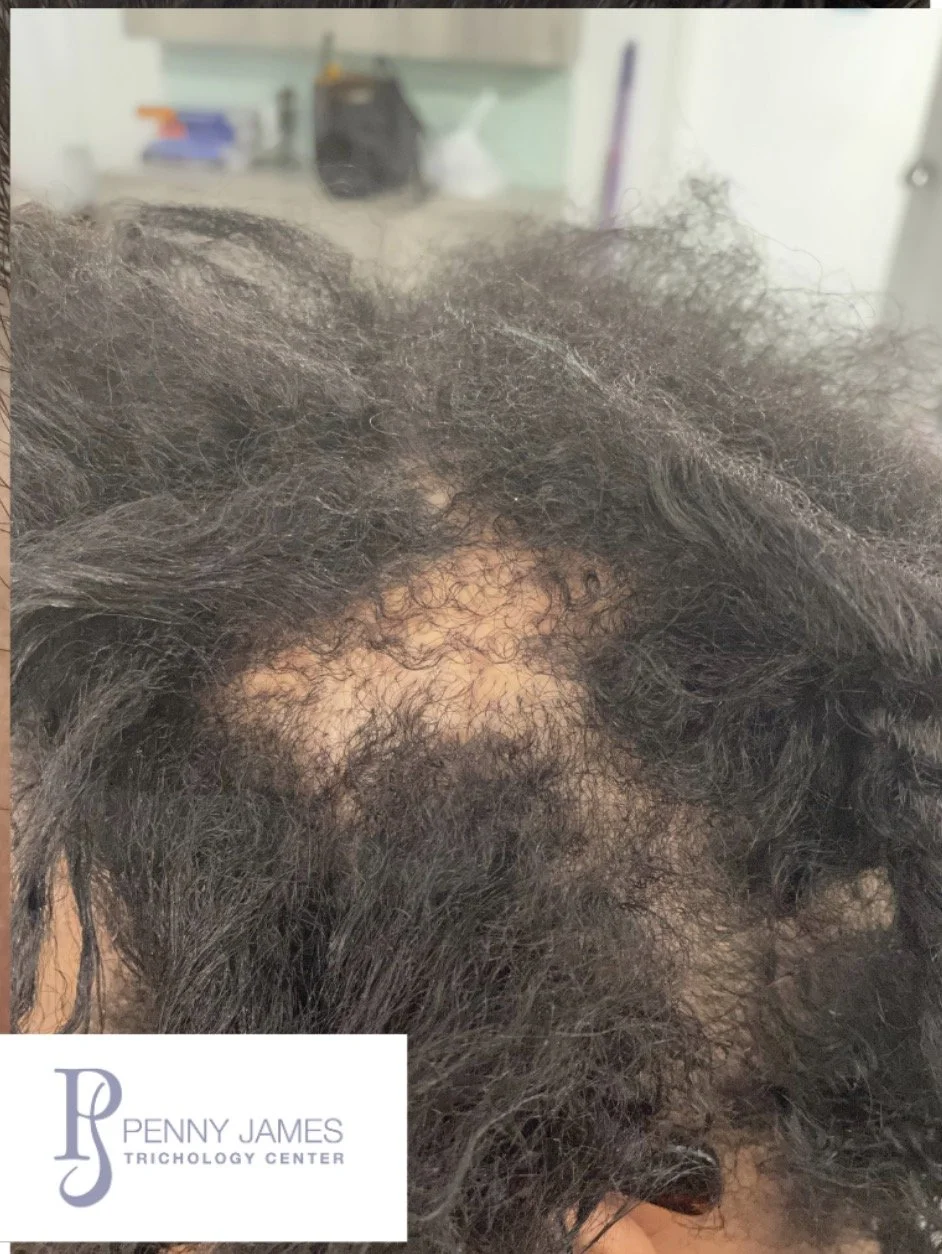
Let’s Talk About Treatment of Alopecia (This Matters Most)
If you take one thing away from reading this article, let it be this: Time matters. Diagnosis matters. Action matters. If you are experiencing any of the symptoms mentioned above, the first step is to seek professional evaluation.
Get Evaluated by a Specialist
Book an appointment with me, a double-board-certified trichologist specializing in hair and scalp disorders. I have extensive knowledge and education in this field, including my current studies at Donavan Hair Academy for their 2026 Fellowship. Remember, this is not the time for guesswork. You deserve help now!
What I Do as a Trichologist
As a double board-certified trichologist, my role is to:
Assess and identify patterns of hair loss and scalp conditions
Provide an informed, clinical evaluation
Collaborate with leading dermatologists in New York City to ensure you receive the most appropriate medical care.
The very best doctors can be found at SAF Scarring Alopecia Foundation
For scarring alopecia, medical treatment is essential. This is not something that can be resolved with over-the-counter products alone.
Supportive Treatments
Once a diagnosis and medical treatment plan are in place, additional support can be introduced.
In some cases, I may recommend:
Topical minoxidil
Targeted topical regrowth treatments
Antioxidant scalp treatments
Hair and scalp camouflage, along with hair wigs and hair fibers.
These are to help with the hair you have, while medical treatments will slow the progression of the disease.
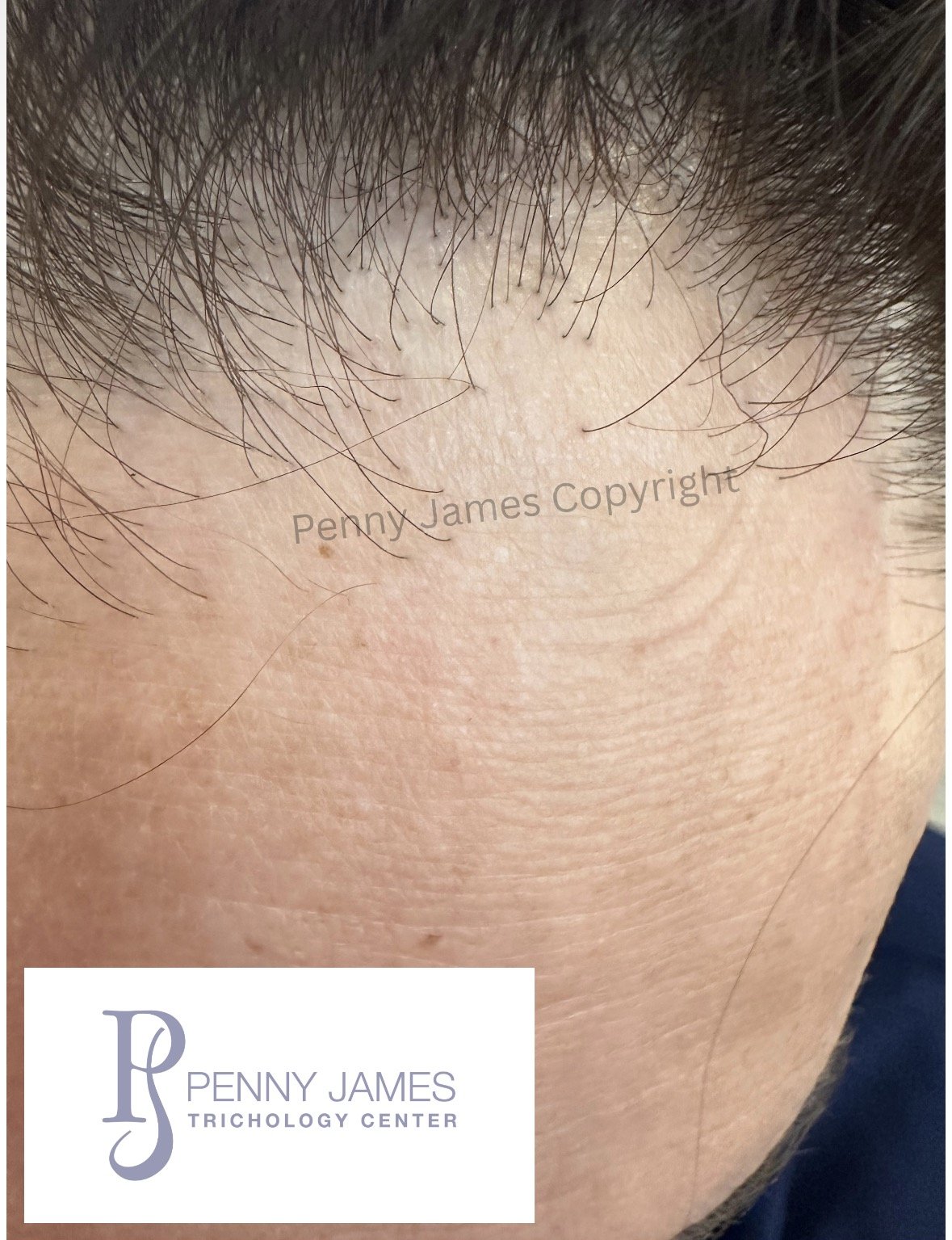
Final Thoughts from a Double Board-Certified Trichologist
Scarring alopecia is serious, but it is not hopeless. What makes the difference is how early it is recognized and how quickly it is treated. If you have been experiencing symptoms—burning, itching, breakage, tightness—do not ignore them. Do not minimize them. And do not wait. The sooner we act, the more we can preserve.
If you are concerned about your scalp or hair health, I encourage you to take the next step. Book a consultation and let’s get you the answers—and the care—you deserve.
When Is National Alopecia Day?
National Alopecia Areata Awareness Month is observed in September, with National Alopecia Areata Awareness Day typically recognized on the first Saturday of September. While much of the focus is on alopecia areata, this is also an opportunity to bring attention to all forms of alopecia, including scarring types.
Is Alopecia Considered a Disability?
Alopecia itself is not universally classified as a disability. However, in some cases—particularly when hair loss is extensive or associated with underlying medical conditions—it may be recognized as such depending on the context and jurisdiction.
More importantly, we need to acknowledge that hair loss, especially permanent hair loss, can have a significant psychological and emotional impact. This is not “just cosmetic.” It affects identity, confidence, and quality of life.
I am proud to say that I donate my services to SAF WWW.SCARRINGALOPECIA.ORG