
Hair Trends in 2026: A Trichologist Separates Myth from Science
As we move into 2026, the conversation around hair growth is louder, more commercialized, and more confusing than ever. Social media is flooded with “miracle” oils, supplements, devices, and routines promising thicker hair, faster growth, and instant results. But what’s missing from most of these conversations is science, context, and individualized care.
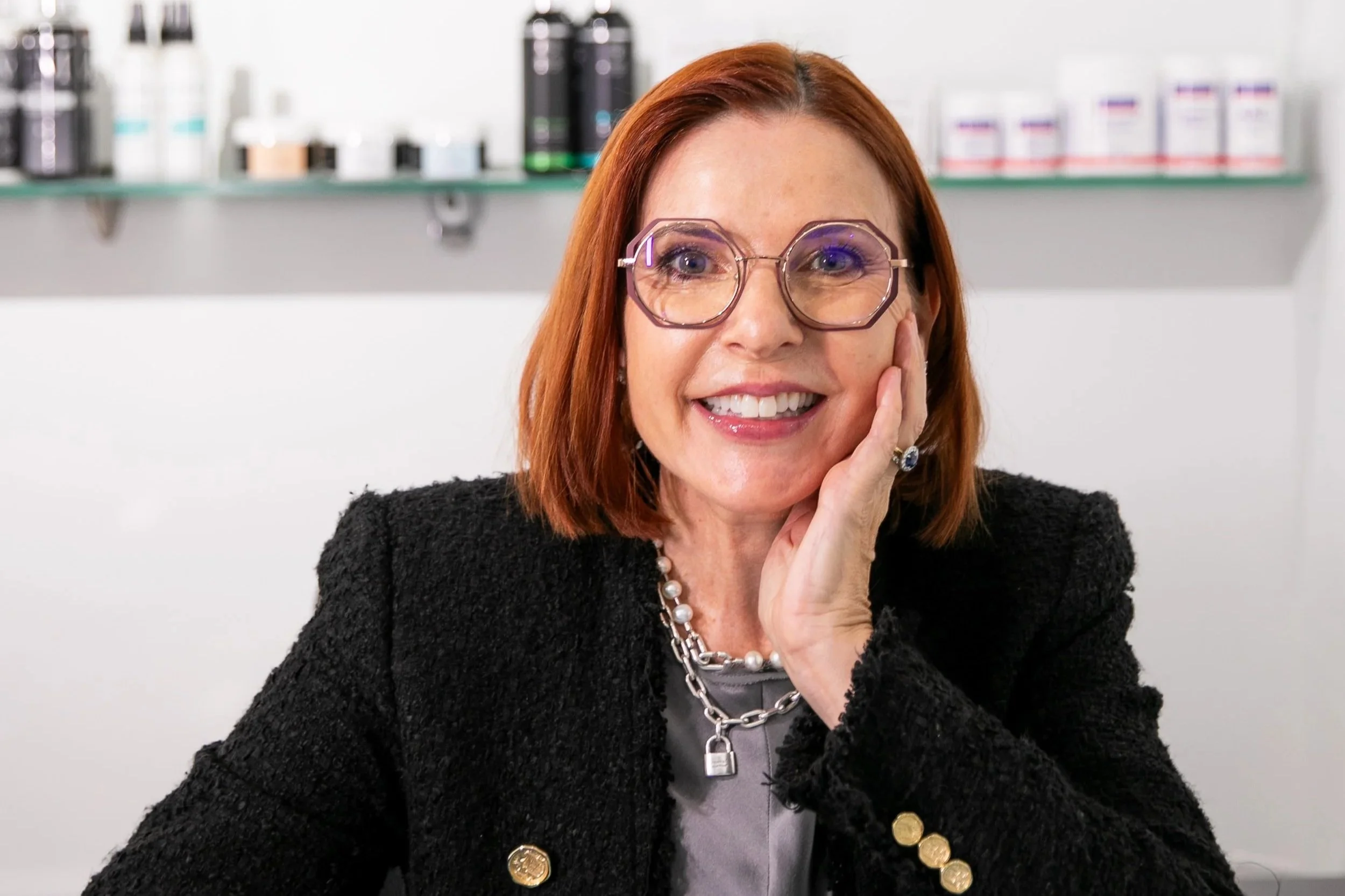
That’s why I pride myself on my work as a trichologist, focusing on the scientific study of the hair and scalp. I sit at the intersection of science and beauty. My role is not to sell trends but to investigate the root causes of hair and scalp issues and create evidence-based, personalized treatment plans.
As a double board-certified trichologist, my work is grounded in clinical research, ongoing education, and real client outcomes. I don’t believe in one-size-fits-all solutions or viral fixes. I believe in understanding the scalp as living tissue, respecting biological limits, and working with the body, not against it.
The future of hair care is no longer just aesthetic. It’s scientific. It’s systemic. It’s closely linked to overall health. So as we step into 2026, let’s look at some of the biggest hair growth trends and separate what’s backed by real science from what’s mostly hype.
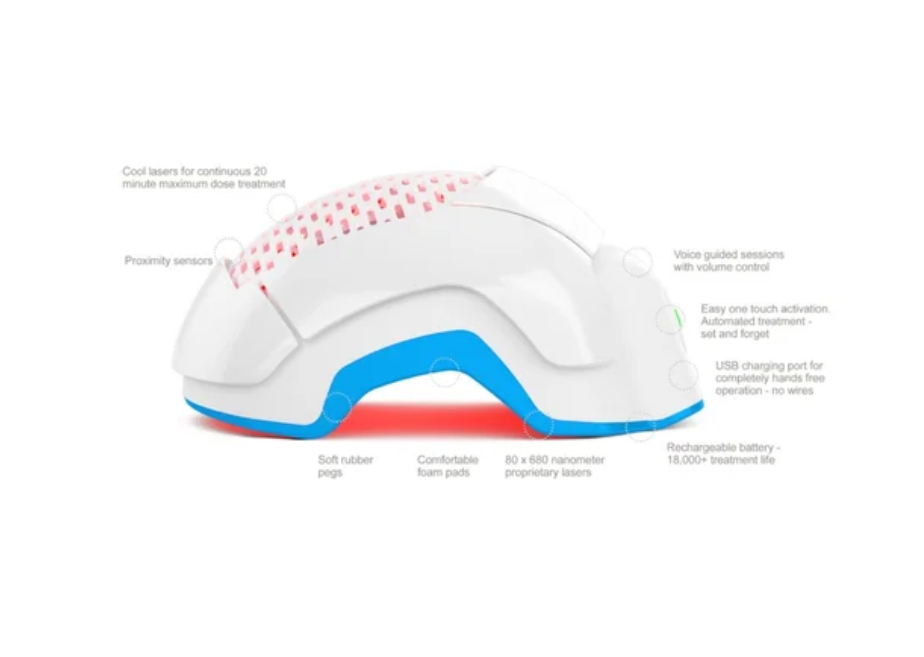
Low-Level Laser Therapy (LLLT) Stimulates Hair Growth — Backed by Science
Low-level laser therapy, or LLLT, is one of the most well-researched technologies in modern hair restoration. It uses specific wavelengths of red light to stimulate cellular activity in the scalp, increase blood flow, and support follicle function.
Multiple clinical studies have shown that LLLT can improve hair density, reduce shedding, and extend the anagen (growth) phase of the hair cycle in certain types of hair loss, particularly androgenetic alopecia.
LLLT causes mild vasodilation (wider blood vessels), which carries more oxygen and nutrients and creates a healthier environment for follicles to stimulate new hair growth.
Castor Oil for Hair Growth — Mostly a Myth
Castor oil is one of the most viral hair growth trends on the internet. It’s often promoted as a natural remedy that can stimulate growth, thicken hair, and treat scalp conditions.
Here’s the scientific reality: there is no strong clinical evidence that castor oil stimulates hair growth.
Castor oil is thick and occlusive, helping seal moisture into the hair shaft and may reduce breakage and improve the appearance of dryness. But it does not activate follicles, alter the hair cycle, or treat the underlying causes of hair loss.
For many people, castor oil can worsen scalp conditions by clogging follicles, trapping debris, and disrupting the scalp microbiome. In fact, it can cause what’s called acute hair felting. As a consulting trichologist to leading brands, like Vogue Magazine, I have said time and time again that the oil’s high viscosity makes removing even a small amount difficult and can create a sudden matting of the hair.
As a trichologist, I often see clients who have used heavy oils in good faith, only to end up with increased inflammation, buildup, shedding, and matting. Natural does not automatically mean effective or safe for the scalp.

Stress Management Supports Hair Growth — Backed by Science
Chronic Stress can affect every physiological system in the body. This includes the thyroid and adrenal glands. The hormone cortisol is known as the aging hormone, and when cortisol levels become to high, this is when your body is in constant fight or flight mode it puts your body in a state of constant stress.
Stress management is not just “self-care talk.” It’s a legitimate part of hair restoration. In trichology, we consider stress a modifiable factor. That means it can be addressed through lifestyle changes, nervous system regulation, sleep quality, therapy, and holistic practices.
I work with clients to identify stress patterns and incorporate strategies that support both scalp health and overall well-being. You cannot out-supplement a dysregulated nervous system.
Less Hair Washing and Waterless Care — Mostly a Myth
The idea that washing your hair less will make it healthier has become increasingly popular. While over-washing can cause dryness for some hair types, under-washing can be just as harmful for the scalp.
The scalp is skin. It produces oil, sheds cells, collects debris, and hosts bacteria and fungi. When not properly cleansed, this environment becomes inflamed and congested, which can impair follicular function.
Waterless care and excessive dry shampoo use often lead to buildup, irritation, and microbial imbalance. From a trichology perspective, a clean scalp is essential for healthy growth. The right washing frequency depends on your scalp type, not trends. For some, triple-washing your hair is effective. For others, your hair needs less attention.
What’s most important is that you’re choosing the right shampoo for your hair and scalp. This is something I determine during a scalp analysis, not from generic advice.

Biohacking for Hair Growth — Mostly a Myth
Biohacking is the practice of using extreme interventions to “optimize” the body. In hair care, this often includes unregulated peptides, experimental supplements, aggressive microneedling, or DIY protocols.
The problem is that most of these methods lack safety data and long-term research. Hair follicles are sensitive biological structures. Overstimulating them can lead to inflammation, scarring, or permanent damage.
As a trichologist, I strongly caution against experimental treatments without proper diagnosis and professional supervision. More is not better. Precision is better.
Peptide Technology Supports Hair Growth — Not enough data
Peptides are short chains of amino acids that act as signaling molecules in the body. In hair care, certain peptides have been shown to stimulate growth factors, improve circulation, and reduce inflammation.
Research-backed peptides like red clover extract and capixyl are increasingly used in clinical hair treatments because they target follicle health at a cellular level. Peptides support the scalp's biological environment, not just its cosmetic appearance.
In my practice, I use peptide-based formulations as part of personalized treatment plans when scalp analysis confirms their appropriateness. But I tell my trichology clients Peptide and botanical blends in cosmetic serums—including SP55—may support scalp condition and hair strength but are less likely to initiate robust regrowth on their own in pattern hair loss.

Nutrition Supports Hair Health — Backed by Science
Hair is a non-essential tissue, which means the body prioritizes vital organs first. If you’re deficient in key nutrients, your hair will reflect that. Iron, zinc, vitamin D, B12, protein, and omega-3s all play critical roles in hair growth.
However, nutrition alone cannot reverse genetic hair loss. It supports the system, but it does not override biology. That doesn’t mean you shouldn’t prioritize nutrition to optimize hair and scalp health.
This is why blood work, when available, is so valuable. It allows me to identify deficiencies and collaborate with medical professionals to address them safely.
Why Scalp Analysis Matters More Than Trends
With so many trends, products, and opinions circulating, the most important question becomes: What is actually happening on your scalp?
A scalp analysis is the foundation of ethical trichology care. Using dermatoscope technology, clinical observation, health history, lifestyle review, and blood work, I evaluate:
Follicle health and density
Inflammation and irritation
Sebum levels and fungus on the scalp
Hair cycle patterns
Genetic and hormonal indicators,
Sacring or non-scaring patterns.
This allows me to create a personalized, evidence-based plan instead of guessing and offer you the right kind of scalp treatments that will promote overall hair wellness.. Hair growth is not about chasing trends. It’s about understanding your individual biology. A scalp analysis replaces myths with facts, fear with clarity, and hope with realistic outcomes, allowing us to discuss hair care and styling tips that work best for you.
And in 2026, that’s what real hair care looks like.
Copyright 2026 © Penny James Trichology Center
