
How Cosmetology and Science Are Shaping the Next Era of Longevity in Hair and Scalp Health
The hair care industry has undergone a dramatic shift in the last few decades. What once focused purely on aesthetics, like shine, volume, and color, has expanded into an era of science-driven solutions that address the biology of hair and scalp health. This new frontier blends beauty, wellness, and research in ways that not only improve appearance but also protect the longevity of our hair.
As Dr. Ademir, a leading voice in cosmetic science, explains:
“When I think about the future, I have no doubt that the greatest revolutions will come first from cosmetology. Personalization based on DNA, adjustment for the individual microbiome, integration with lifestyle data, and artificial intelligence algorithms predicting protocols are all being tested in cosmetics. And it is natural that this is the case. Cosmetology has resources, proximity to the consumer, and regulatory agility; the cosmetic sector already delivers innovation on a global scale.”
Cosmetology is not just about beauty anymore. It’s about science, health, and longevity. As a double board-certified trichologist and master stylist, I’ve seen firsthand how these advancements are reshaping not only the products we use but also the way we think about hair and scalp health as part of whole-person wellness.
The Evolution of Hair Care
Hair care has long reflected the intersection of culture, technology, and science. In earlier decades, routines focused on surface-level aesthetics: shampoos to cleanse, conditioners to soften, and styling products to hold a look in place. While these served a purpose, they often overlooked the underlying health of the scalp and follicles.
Today, we’re seeing a transformation. Brands are investing heavily in research and education, moving toward formulas and systems that are rooted in dermatological and biological science. Stylists now receive training in scalp biology, hair fiber integrity, and ingredient transparency, allowing them to become trusted advisors rather than just product recommenders.
The rise of anti-aging in beauty has spilled into hair care. Just as we talk about preventing wrinkles or maintaining skin elasticity, we are now addressing the visible signs of aging in hair and scalp, like thinning, loss of pigment, reduced density, and changes in texture. Emerging technologies, such as AI-driven hair assessments and scalp imaging tools, enable both stylists and trichologists to objectively measure and monitor these changes, offering personalized, data-driven solutions for clients (ScienceDaily, 2024).
This evolution reflects a deeper cultural trend: people are no longer satisfied with surface-level beauty. They want longevity. They want products and practices that help them look and feel better for years to come.

Why Hairstylist Education Matters
Hairstylists often serve as the “first line of defense” when it comes to identifying hair and scalp issues. They see their clients regularly, notice subtle changes over time, and are uniquely positioned to ask the right questions. A stylist who is trained in scalp health by a board-certified Trichologist will know the questions to ask, as they can often detect early signs of conditions such as:
Androgenetic alopecia (pattern hair loss)
Seborrheic dermatitis and dandruff
Scalp inflammation or irritation
Excessive shedding or breakage
This is why the growing emphasis on stylist education matters so much. With better training, hairstylists can recognize when a client’s concerns extend beyond cosmetics and require referral to a trichologist or dermatologist. Early intervention is crucial, and research indicates that timely treatment can enhance outcomes and slow the progression of conditions such as alopecia or microbiome-related scalp disorders (PubMed, 2023).
At the same time, we must acknowledge a challenge: the consumer market is saturated with conflicting information. The consumer is bombarded with product claims, TikTok “hacks,” and Reddit group chats about the latest shampoo to help regrow hair. It leaves them unsure about what really works, and they often buy 2-4 shampoos. I believe the giants and newcomers to the hair care industry need to provide their consumers with a clearer message.
Over the next five to ten years, I anticipate that the bridge between cosmetology and trichology will continue to grow stronger. Stylists won’t just style hair. They’ll be key allies in promoting scalp health and longevity.
The Future of Hair Longevity
The concept of longevity is expanding beyond lifespan into “healthspan,” which refers to the quality of life we maintain as we age. In beauty, this has given rise to the term “skintellectuals”: consumers who seek to understand the science behind their products and make informed decisions about their hair care routines. This same movement is shaping hair and scalp health.
The biggest trends driving the future of hair longevity include personalization through DNA-based formulations, microbiome mapping, and AI-driven product recommendations, alongside advances in microbiome regulation, lipid technology for repairing the inner cortex, and polypeptides that target follicle activity to stimulate new growth and density. Together, these innovations represent a shift from surface-level beauty to targeted, evidence-based approaches that address the biology of hair at the growing stage and skin on the scalp.
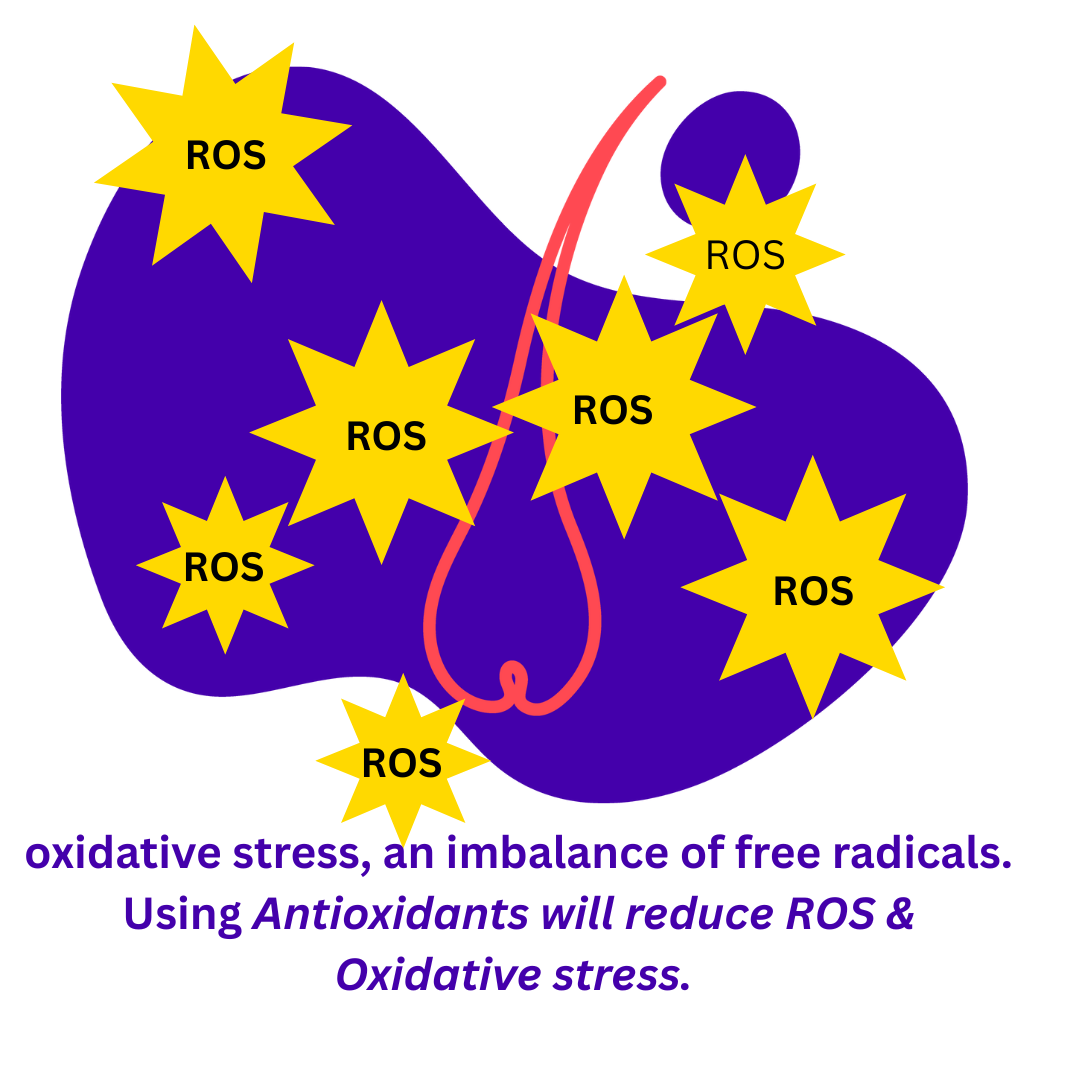
Consumers are also becoming more aware of how oxidative stress, environmental aggressors, and lifestyle factors accelerate hair aging. Studies confirm that oxidative stress, caused by excess reactive oxygen species (ROS), limits the scalp’s ability to renew cells and can push follicles prematurely into the telogen (shedding) phase (Journal of Cosmetic Dermatology, 2022).
Over time, this stress compromises the follicle’s structural environment, contributes to inflammation, and weakens the hair shaft along with the scalp’s natural barrier. Everyday exposures like UV rays, pollution, smoking, and poor nutrition compound this effect, meaning hair aging is both an internal and external concern. By addressing oxidative stress with antioxidants, stress management, and protective scalp care, we can slow premature hair aging and preserve long-term scalp vitality.
This shift shows us that longevity is about creating resilience, much like how we think about exercise and nutrition for overall health. By integrating wellness, lifestyle, and topical care, the beauty industry is giving clients proactive tools to protect their hair for the long term.
A Trichologist’s Perspective on Hair & Scalp Care
As a trichologist, I find this moment in hair care both exciting and cautionary. On the one hand, the advancements are remarkable. Consumers now have access to technologies that can truly support hair longevity. On the other hand, the speed of innovation means there’s a risk of misinformation or “miracle claims” that oversimplify complex science.
Education is the cornerstone. Clients deserve to understand what causes hair aging and how to prevent it in realistic, evidence-based ways. From my perspective, the most effective approaches combine three elements:
Scientific innovation: leveraging proven technologies such as antioxidants, green technology, and peptide complexes.
Holistic wellness: recognizing that hair is a reflection of whole-person health, including stress management, nutrition, and lifestyle habits.
Levelling up scalp and hair education: Sharing information with hairstylists will help the consumer.
When science, beauty, and care intersect, hair health becomes more than just a cosmetic concern. It’s a marker of well-being and vitality.
The hair care industry has never been more dynamic. From traditional routines to cutting-edge science, from untrained product selling to educated, empowered stylists, the landscape has transformed into one where health and longevity take center stage.
The future is bright. As we look forward, the message is clear: hair health is whole-person health. It’s about living longer, healthier, and better. Not just in the years we add to life, but in the resilience and vitality we bring to every strand.
Copyright 2025 © Penny James Trichology Center
