
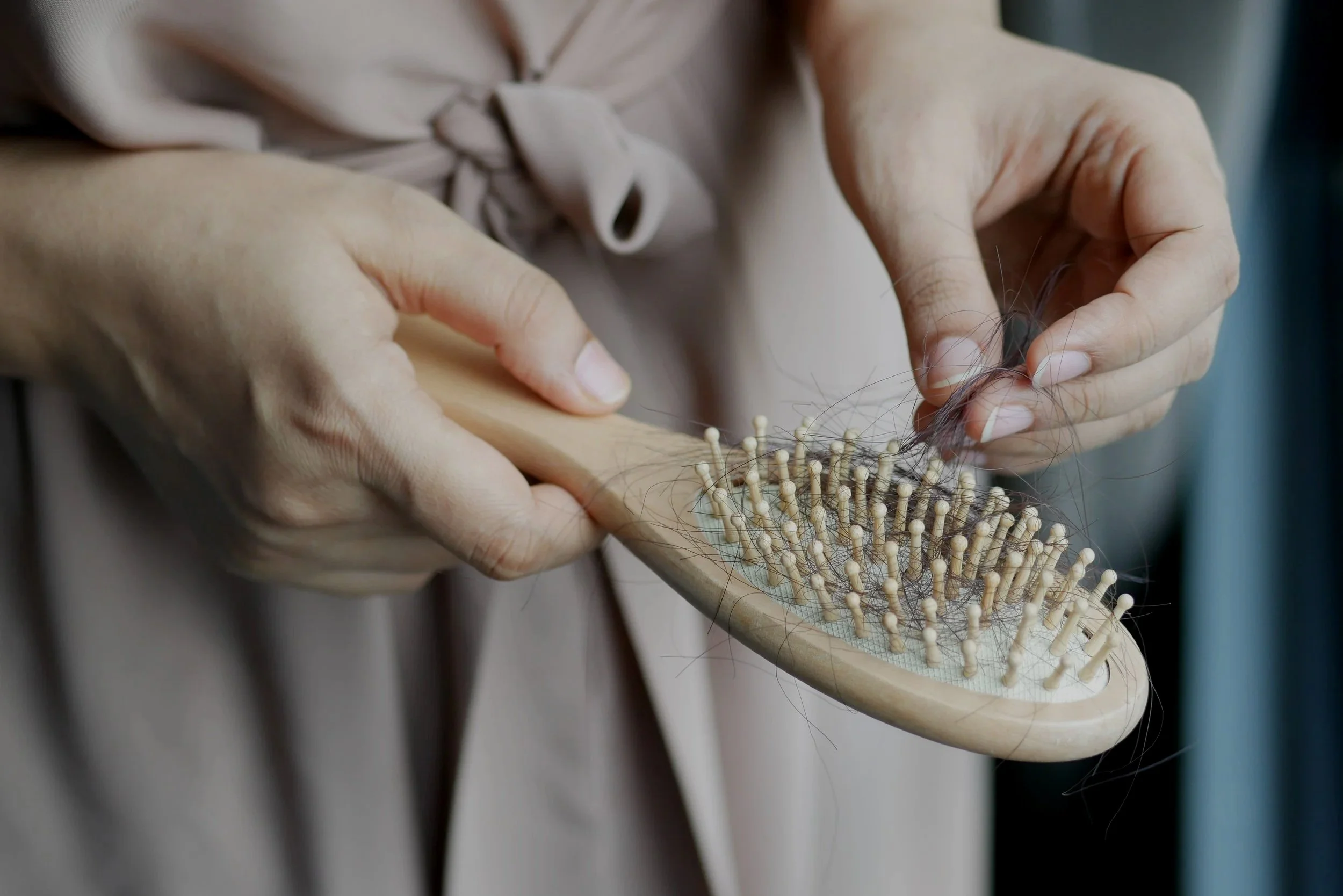
You may have Alopecia
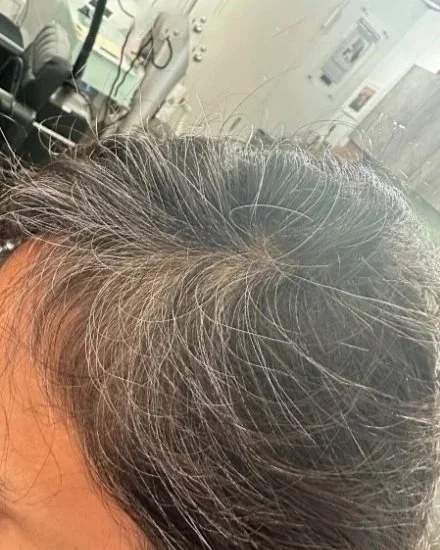
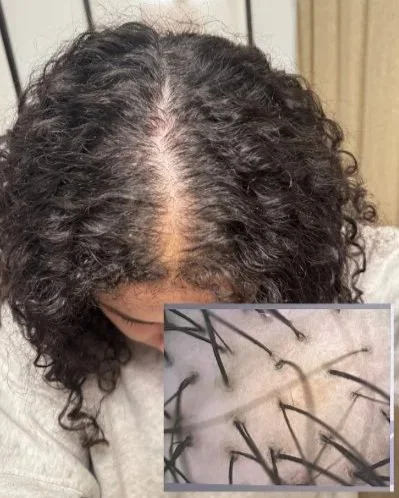
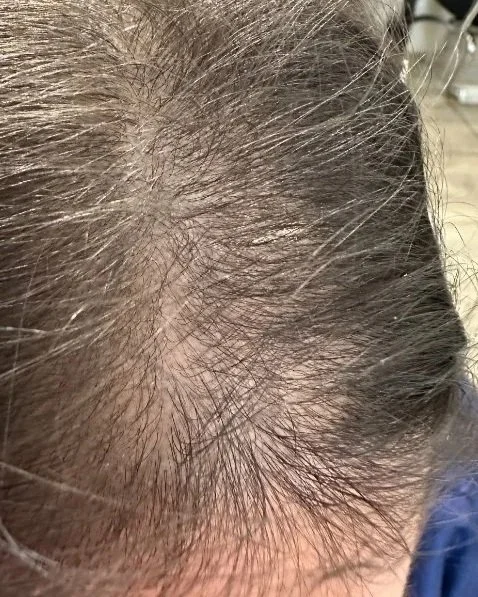
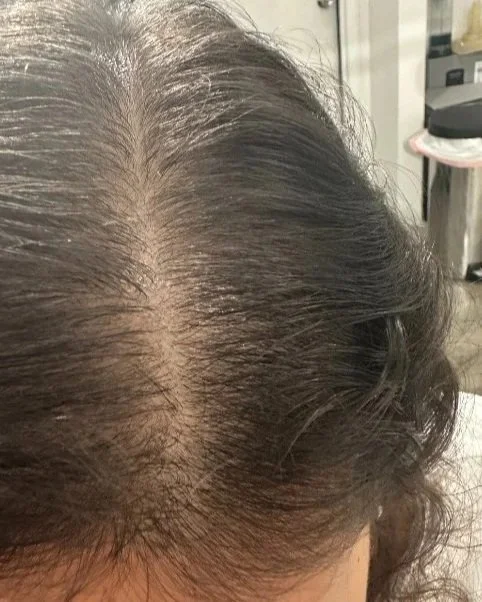
Alopecia is a hair loss condition that can happen for reasons including genetics, autoimmune issues, or other factors. It can manifest in different ways, such as patches of hair loss or gradual thinning of the hair.
As a trichologist, I understand the social and emotional impact of scalp conditions and hair loss. Book a scalp analysis with me and find out if you have Alopecia, which type you might have, and how to treat it effectively.
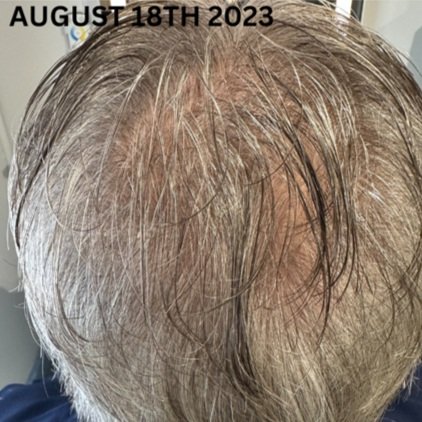
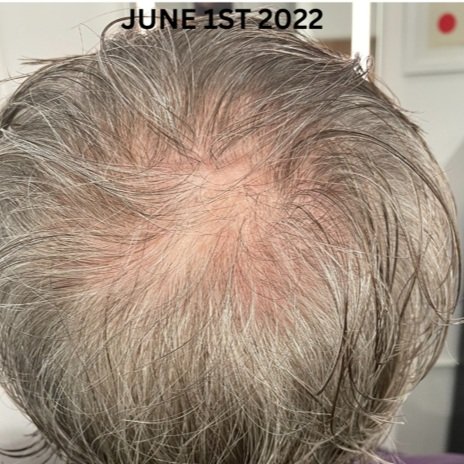
ANDROGENETIC ALOPECIA
is a common genetic condition that causes hair thinning and eventual hair loss, primarily on the scalp. Book a scalp analysis to understand how you can slow the hair loss down and understand what treatments are available for you to use at home.
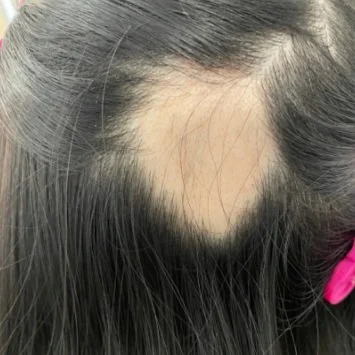
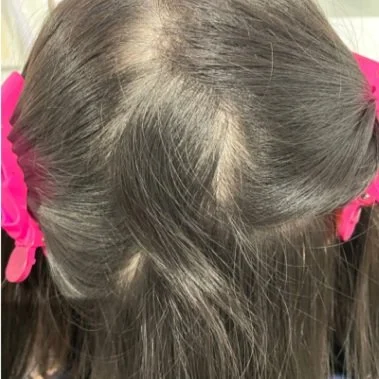
Alopecia areata
is a hair loss condition where a person’s immune system attacks their hair follicles, causing them to fall out in small, round patches. This type of alopecia could impact other hair-bearing areas of the body like eyebrows, eyelashes, and beards.
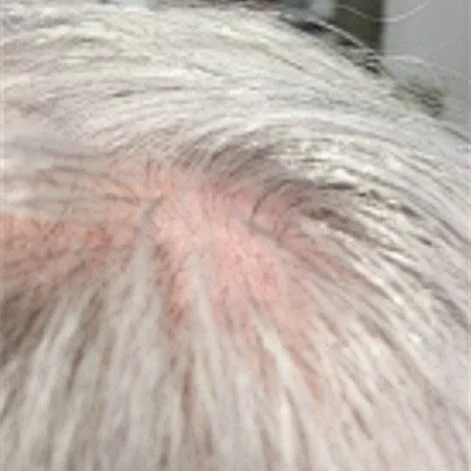
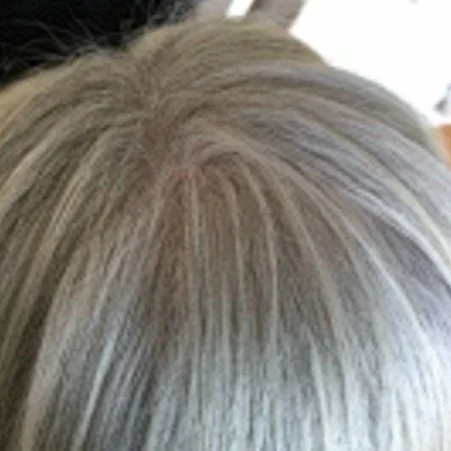
Diffuse Alopecia
is a treatable condition caused by a disruption in the hair growth cycle. It is often caused by stress, changes in medication, and a drastic diet. Book today with a trichologist to find out what has caused your hair shedding and how to make the changes needed to stop more shedding.
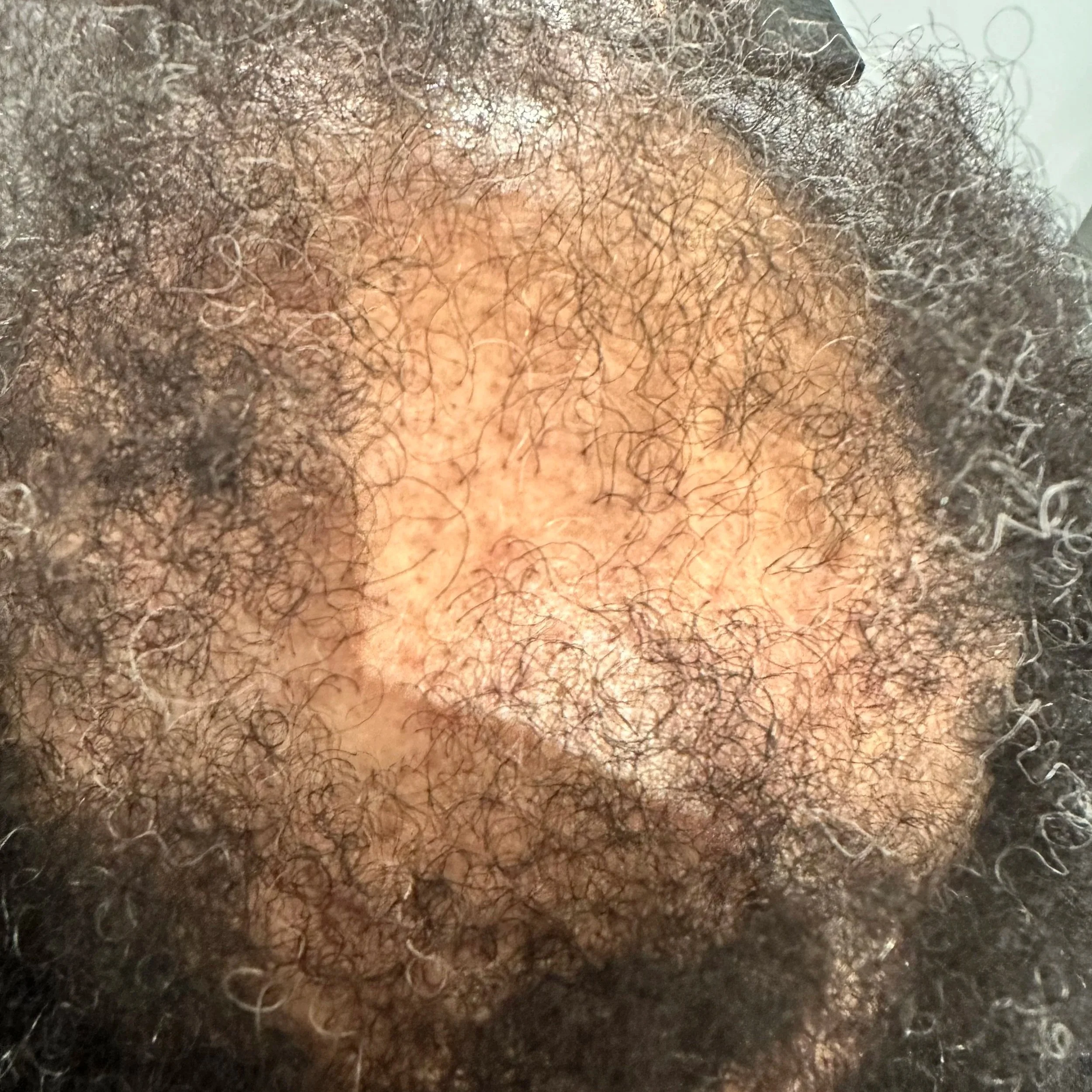
Cicatricial Alopecia
is a type of hair loss where the hair follicles are permanently damaged and replaced by scar tissue. The key is early detection to stop the destruction of the follicles early on.
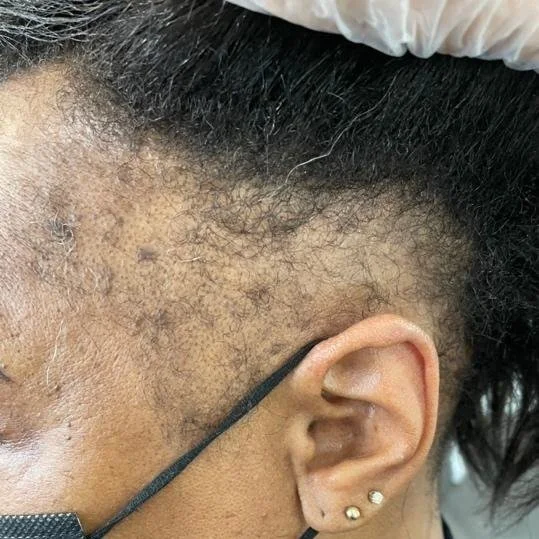
Traction Alopecia
is a type of hair loss that happens when there’s repeated pulling or tension on the hair follicles. It can occur due to tight braids, ponytails, ballerina buns, or hair extensions.
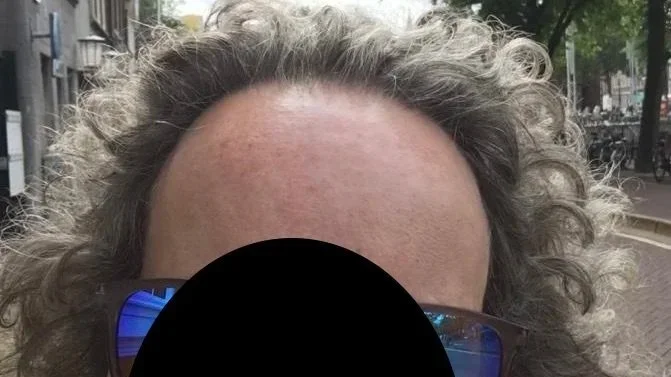
Frontal Fibrosing Alopecia (FFA)
Symptoms of FFA include pain, itching and hair loss along the frontal hair line. Affecting the eyebrows and side areas. Often this disease is confused with traction alopecia.

Postpartum Alopecia
Is a temporary hair loss that occurs after giving birth. Many women experience significant hair shedding. This is due to the hormones regulating.
Keep taking your prenatal vitamins. The good news is the hair will regulate and grow back within about three months. Reach out for more information.
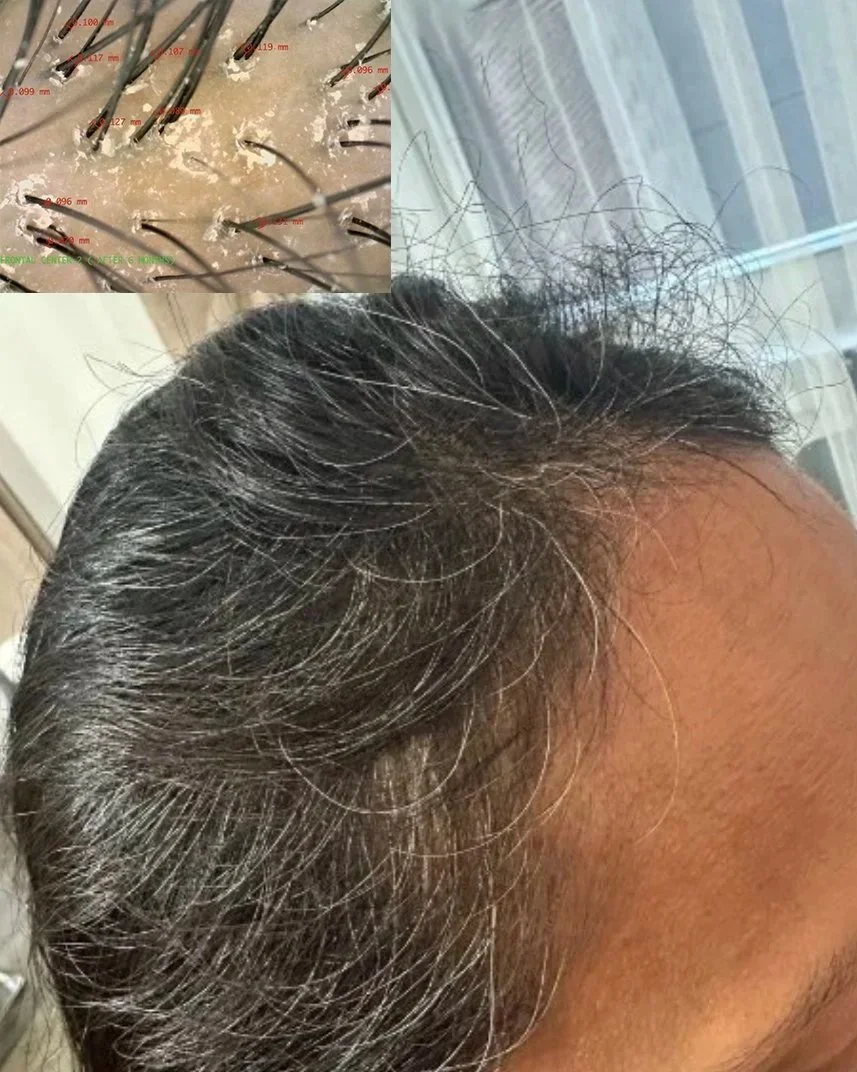
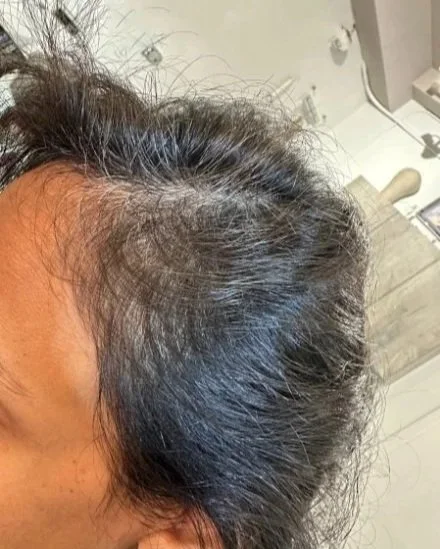
My client's hair diameter has increased by 40%


hair loss videos
Video Title
Video Title
Video Title
Video Title
get in touch
Book your scalp analysis to determine what treatment plans will work for your hair and scalp conditions. I promise you an honest diagnosis and will recommend you to leading specialists if needed.
