
Alopecia Awareness Month: Support, Resources, and How to Navigate Hair Loss
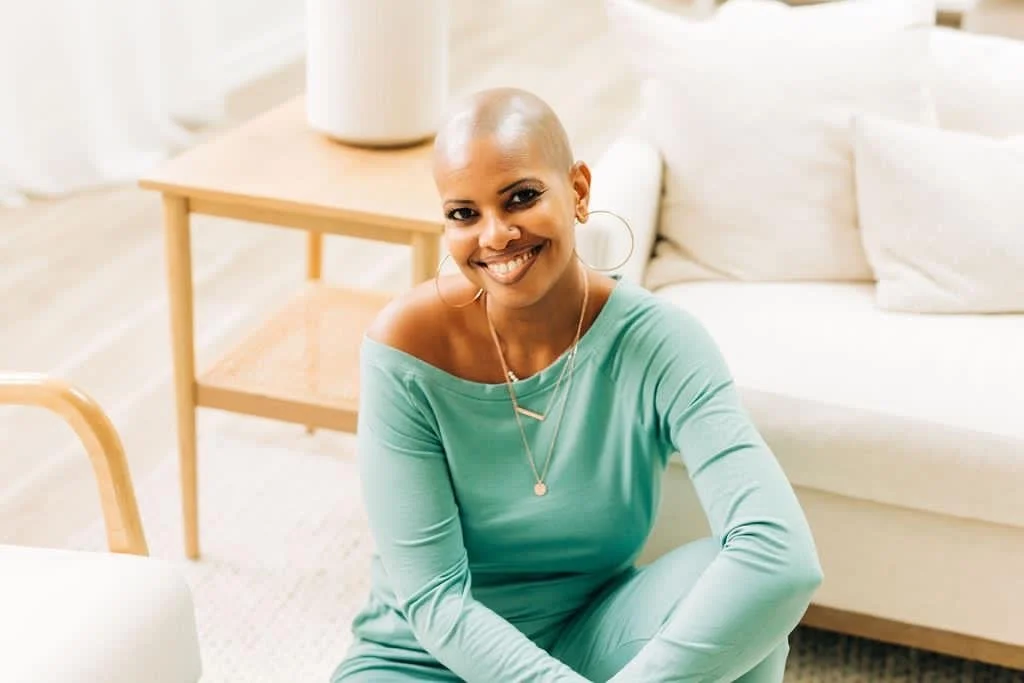
Women's Hair Loss Support & Authenticity Coach, Kellie Rhymes
September marks Alopecia Awareness Month, a time dedicated to shedding light on a condition that affects millions of people worldwide and to supporting those navigating its emotional and physical challenges.
Sponsored by the National Alopecia Areata Foundation (NAAF), this month encourages awareness, advocacy, and, most importantly, compassion for people living with alopecia. As a trichologist and someone who has personally experienced hair loss, I know firsthand that the journey can feel isolating. But it doesn’t have to be. Understanding the resources available and the power of community can transform that sense of isolation into connection, education, and empowerment.
Hair loss is often dismissed as purely cosmetic, yet its impact runs much deeper. Alopecia can affect confidence, identity, and mental health, creating a unique set of challenges for those experiencing it. Beyond medical definitions of alopecia, it’s important to highlight the support systems, communities, and tools that help people navigate their hair loss with dignity and self-assurance.
Understanding Alopecia & Destigmatizing Hair Loss
Alopecia is an umbrella term for hair loss, which can manifest in many forms, from patchy hair loss in alopecia areata to permanent follicle damage in scarring alopecia. While these distinctions are clinically significant, the social and emotional realities are universally profound. Hair loss, regardless of its cause, can carry a stigma that’s sometimes unspoken. Society often equates hair with identity, beauty, and vitality, which can make hair loss a deeply personal and visible struggle.
This stigma can lead to embarrassment, self-consciousness, and even avoidance of social situations. Yet research shows that visibility and conversation are powerful tools for reducing stigma. According to studies published in the Journal of Health Psychology, communities that foster open discussion about chronic conditions, especially those with visible symptoms, promote emotional resilience and social support. By sharing stories, experiences, and coping strategies, people living with alopecia can feel seen and validated, and public perception can gradually shift from judgment to empathy.
Why Emotional & Community Support is Critical for Alopecia
Hair loss can have profound effects on mental health, social engagement, and quality of life. Multiple studies highlight that individuals with alopecia, particularly alopecia areata, report higher rates of anxiety, depression, and social withdrawal compared to the general population. These emotional consequences are compounded when people feel isolated or unaware of the resources available to them.
Community and emotional support are essential components of navigating alopecia. While medical treatment may address the physical aspects of hair loss, emotional and peer support helps manage the psychological impact. Support systems allow individuals to share coping strategies, learn from others’ experiences, and develop confidence in managing both day-to-day life and treatment decisions. For many, knowing that someone else has faced similar challenges and thrived can be transformative.
Support can take many forms:
Emotional support: Encouragement, understanding, and a safe space to express frustrations.
Social support: Community connections that reduce isolation.
Peer support: Groups where people share strategies, styling tips, or lifestyle adjustments.
This type of support is particularly meaningful in trichology, where we consider not only the hair and scalp but the person as a whole. Emotional well-being is a key factor in hair health, and addressing it directly is part of responsible, comprehensive care.
How Support Groups & Peer Networks Help People with Alopecia
Support groups are environments where individuals can learn, grow, and feel understood. Research in the International Journal of Trichology shows that peer support significantly improves coping strategies and emotional health in people experiencing alopecia.
The benefits of joining a support group include:
Feeling heard and validated: Knowing others share similar experiences reduces isolation.
Sharing practical tips: Advice on hair care, styling, or managing triggers can make daily life easier.
Access to educational resources: Groups often host webinars or provide curated research summaries.
Empowerment: Being part of a community encourages advocacy and self-confidence.
Despite these benefits, many people hesitate to join due to embarrassment, stigma, or lack of awareness. It’s important to normalize the act of seeking support and highlight the variety of options available: in-person meetings, online forums, social media communities, and local chapters.
Key Organizations & Communities Supporting People with Alopecia
Several organizations play an essential role in supporting people with alopecia. They provide resources, education, and opportunities for connection, empowering individuals to advocate for themselves and access the care they need.
National Alopecia Areata Foundation (NAAF)
NAAF offers a wealth of resources for patients, families, and healthcare providers. These include:
Peer support groups
Educational webinars and workshops
Guidance for navigating treatment options
Advocacy and awareness initiatives
NAAF’s emphasis on both community and evidence-based guidance makes it a cornerstone of support for anyone living with alopecia.
Scarring Alopecia Foundation (SAF)
SAF focuses on scarring alopecias, a group of conditions where hair follicles are permanently damaged. The foundation offers:
Specialized educational resources
Emotional support and peer networking
Access to medical experts and treatment guidance
As a member of SAF, I can attest to the power of these communities in reducing isolation and connecting people to both professional care and peer networks. These organizations demonstrate that support extends beyond the clinic and into daily life, helping people build resilience and confidence.
Women's Hair Loss Support & Authenticity Coach
Kellie Rhymes is a dynamic force in the realm of women's hair loss support and empowerment, serving as the CEO of Limitless Mindset Coaching. Hailing from St. Louis, Missouri, Kellie has made a name for herself as a Women's Hair Loss Support & Authenticity Coach, dedicated to helping women reclaim their confidence. A proud listee in Marquis Who's Who in America 2024-2025, she channels her personal journey with Alopecia into her mission—transforming the lives of women facing hair loss.
As a confident bald woman, Kellie not only shares her story but she is also an advocate for the Scarring Alopecia Foundation, leading the CCCA support group, the host of the Bougie Baldie podcast, a 2025 Bald and Beautiful contestant, and TV producer of the Bougie Baldie Show, demonstrating that resilience and success can flourish, regardless of life's hurdles. Her mission is to inspire others to embrace their beauty regardless of hair loss and live life on their own terms.
Visit her website to learn more about her and her work at: www.limitlessmindsetcoach.com

Women's Hair Loss Support & Authenticity Coach, Kellie Rhymes
How a Trichologist Supports People with Alopecia
A trichologist approaches hair loss from a whole-body, science-based perspective. This means looking beyond the hair itself to factors such as nutrition, stress, lifestyle, and overall health. Every client is unique, and understanding their individual circumstances is key to creating effective, sustainable solutions.
In my practice, the environment we create is intentional: it is safe, non-judgmental, and empowering. Clients can discuss their experiences openly, explore treatment options, and receive guidance tailored to their specific condition. This includes:
Comprehensive scalp analysis and hair assessment
Identification of potential triggers or underlying conditions
Personalized treatment plans combining lifestyle adjustments, nutrition, and topical or homeopathic therapies
Emotional support and guidance for navigating social and personal challenges
The goal is not just hair restoration. It’s holistic support for the person experiencing alopecia, addressing both the physical and emotional aspects of hair loss. By combining medical knowledge with compassion and lived experience, trichologists can help clients regain confidence and agency over their hair health journey.
Moving Forward: Advocacy and Awareness for Alopecia
Alopecia Awareness Month is an opportunity to shine a light on support systems and normalize conversations around hair loss. Visibility matters, not only for those living with the condition but also for society at large. Every conversation helps break down misconceptions, reduce stigma, and encourage compassionate support.
If you’re an ally, remember:
Listen without judgment
Avoid unsolicited advice or “quick fixes”
Encourage connection with reputable support groups
Educate yourself and others about alopecia
For those living with alopecia, consider joining a community, reaching out to a trichologist, or participating in awareness events. Knowledge, support, and connection are all powerful tools that can help you navigate hair loss with confidence and emotional resilience.
Copyright 2025 © Penny James Trichology Center
