
Hair Loss Awareness: What You Need to Know and How to Advocate for Your Health
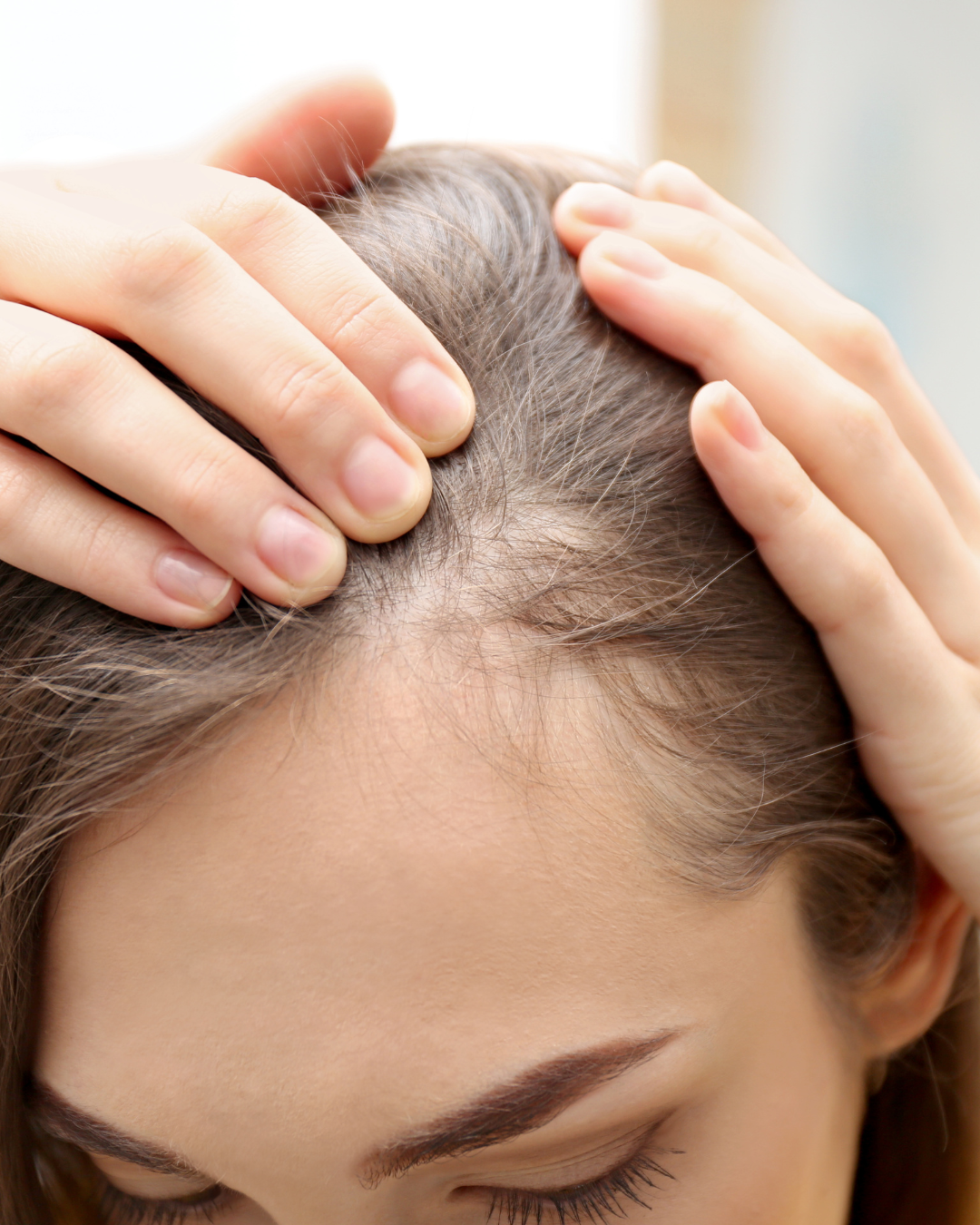
August is Hair Loss Awareness Month, and while this might not be a topic many people bring up in casual conversation, it’s something that affects millions every year. It’s easy to brush it off when you notice a few extra strands in your brush, on your pillow, or clinging to your clothes, but these little signs can sometimes be a signal that your hair needs attention.
If you've ever found more hair than usual on your clothes, noticed it collecting in the bathroom drain, or observed a thinner ponytail, you’re not alone. Hair loss affects roughly 80 million Americans, and many people experience it without realizing what's going on or how to address it. Too often, it goes unnoticed or is dismissed as “just part of getting older,” but understanding the signs and causes of hair loss is essential in taking action early.
My goal is to educate you on what hair loss looks like, how to recognize the early signs, and the steps you can take to advocate for your own scalp health. We want to empower you with the knowledge needed to make informed decisions and take proactive steps toward healthier hair.
Understanding Hair Loss
Roughly 80 million Americans—50 million men and 30 million women—suffer from some form of hair loss. That’s a lot of people, and yet it often goes undiscussed until the issue becomes glaringly obvious.
Our hair goes through a natural growth cycle that involves several phases: Anagen (growth), Catagen (transition), Telogen (rest), and Exogen (shedding). These cycles happen continuously, and it’s completely normal to lose some hair every day. In fact, we all shed between 50 and 100 hairs daily, but if the shedding becomes more excessive, that’s when we need to take a closer look.
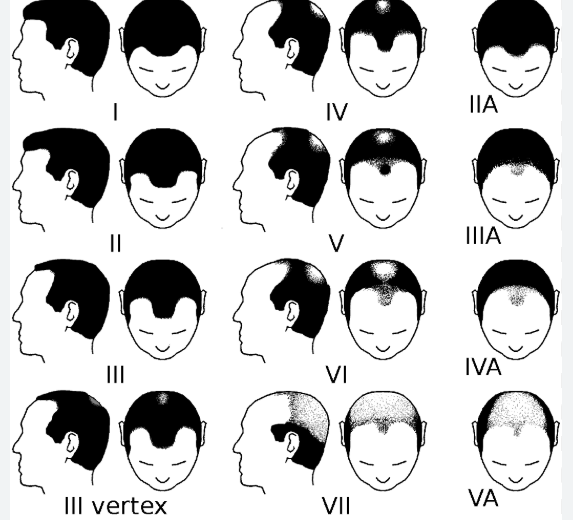
At a typical consultation, we may reference The Norwood Scale—a guide that helps us assess how advanced your hair loss is. This can give both of us a clearer picture of where your hair loss falls on the spectrum and help us determine the next steps.
The Hair Growth Cycle
Anagen (Growth Phase): Lasts up to 7 years.
Catagen (Transitional Phase): A brief period where the hair stops growing and prepares to shed.
Telogen (Resting Phase): Hair rests for several weeks to months.
Exogen (Shedding Phase): Hair sheds, and the cycle starts again with new growth.
When the hair growth cycle gets interrupted, it can lead to excessive shedding or thinning. Here are some signs that your hair growth cycle might be out of balance:
Abnormal Shedding: More than 100 hairs per day.
Clumps of Hair Falling Out: Sudden and visible loss of hair in patches.
It’s completely normal to lose hair daily, but when your ponytail gets thinner, your scalp becomes visible, or your hair refuses to grow, it’s time to make an appointment with a trichologist.
Types of Hair Loss
There are many types of hair loss, each with different causes:
Androgenetic Alopecia (Male/Female Pattern Baldness): Gradual thinning due to genetics. According to a review in the National Library of Medicine, male androgenetic alopecia is the most common form of hair loss in men, affecting 30-50% of men by age 50
Telogen Effluvium: Temporary shedding due to stress. This could also be caused by GLP1-induced shedding and diet.
Alopecia Areata: An autoimmune condition causing small patches of hair loss, often triggered by stress. However, food sensitivities and environmental toxins have also been known to cause AA. According to Dr. Gorana, a hair surgeon and hair loss expert, dental procedures and even viral infections can trigger AA.
Traction Alopecia: Caused by hairstyles that pull on the hair, leading to follicle damage. This could include aggressive styling practices.
Cicatricial (Scarring) Alopecia: Where the hair follicle is destroyed, making regrowth nearly impossible without medical intervention. I suggest that if you know you have CCCA, reach out to me, and I will guide you to the experts. Here is an amazing support group that I volunteer with: SAF info@scarringalopecia.org
I have worked alongside some of the best doctors, including Dr. Kristen Lo Sicco, Dr. Lindsay Bordon, and Dr. Jerry Shapiro. These doctors are experts in scarring alopecia.
Read my blog “Navigating Hair Loss” for a deep dive into common hair loss conditions and solutions.
Why Does Hair Loss Happen?
Several factors can contribute to hair loss, and it's often a combination of multiple influences:
Hormonal Imbalances: Thyroid issues, menopause, pregnancy, or birth control. Learn more about how hormones affect your hair health here.
Stress: Physical or emotional stress can trigger shedding.
Nutrient Deficiencies: Iron, Vitamin D, and zinc deficiencies are common culprits. Learn more about nutrition and hair loss here.
Genetics and Aging: These factors play a large role in the natural thinning of hair over time.
Health Conditions: PCOS, autoimmune diseases, and other chronic conditions.
Environmental Factors: Overuse of harsh chemicals or pollutants can damage hair.
Understanding these causes can help you take the necessary steps to prevent or manage hair loss.
Early Signs of Hair Loss: What to Look Out For
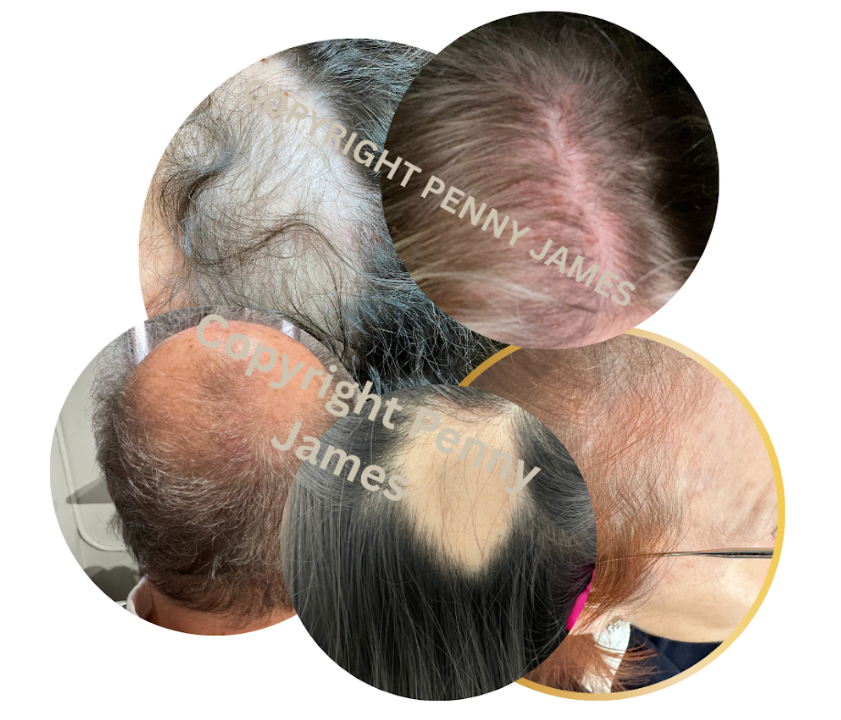
Recognizing the signs of hair loss early can help you take control of the situation before it becomes more severe. You’ll want to check for visual, textual, and physical changes to the hair and pay attention to how your scalp is feeling. Some things you may want to take note of are:
Hair in your shower drain, more strands on your pillow, or noticeable thinning along your part.
A feeling of increased scalp exposure or thinner ponytails.
Thinner, straggly hair or hair that feels limp and lifeless.
A loss of volume or density that wasn't there before.
The scalp becomes more visible, hair breaks off, or hair refuses to grow.
Increased sensitivity or itching, which could indicate scalp health issues like dermatitis or inflammation.
Solutions & Treatment Options for Hair Loss
Recognizing hair loss early is key. Don’t wait until you’re in full-blown panic mode; address it as soon as you notice changes. I recommend seeing a professional immediately. Working with a trichologist is the best way to uncover the root cause of your hair and scalp issues.
At my trichology center, I offer an in-depth scalp analysis to determine the cause of your hair loss and suggest the most appropriate treatment. I focus on homeopathic solutions for hair loss because I believe a whole-body approach is necessary. Some treatments may include:
Topical Therapies: Treatments like Topical Minoxidil and emerging peptide therapies. Based on reviews by American Family Physician, Minoxidil is the “first-line treatment” for hair loss, and is FDA-approved.
Low-Level Laser Therapy (LLLT): A non-invasive way to stimulate hair follicles and promote growth. With zero side effects.
Nutritional Supplements: We may recommend specific supplements based on your unique needs, such as Vitamin D or Zinc, along with biotin and salinam. It’s important to consult with a healthcare provider before taking any supplements. We’ll work together to determine what’s best for your body and hair needs.
Scalp Care Products: My antioxidant-rich scalp scrub is packed with antioxidants and free radical scavengers that are designed to neutralize and prevent oxidative stress and destructive free radicals that cause hair loss. Sold exclusively at Penny James Trichology Center.
A balanced diet is crucial for healthy hair growth, and one of the best ways you can advocate for your overall health. Here are a few nutrients you should focus on:
Iron: Found in spinach, beans, and red meat.
B Vitamins: Eggs, leafy greens, and whole grains are excellent sources.
Zinc: Found in nuts, seeds, and shellfish.
Omega-3 Fatty Acids: Fatty fish like salmon or walnuts.
Proline: avocados, beans, broccoli, spinach, and soybeans.
Lysine: Salmon, sardines, cod, and nuts are rich in
Cystine is widespread in proteins like pork, chicken, fish, and eggs.
Another important way to treat your hair and scalp is through scalp cream treatments.
My antioxidant-rich scalp scrub is packed with antioxidants and free radical scavengers that are designed to neutralize and prevent oxidative stress and destructive free radicals that cause hair loss. Plus, when combined with techniques like the Japanese scalp massage, it stimulates blood circulation, promoting nutrient flow to the hair follicles.
When using an antioxidant scalp cream, massage a small amount of cream gently into your scalp using circular motions. Do this once or twice a week to see the best results. You are taking charge of your hair and scalp.
How to Advocate for Yourself: Destigmatizing Hair Loss
Hair loss can feel embarrassing, but it’s essential to normalize the conversation. You’re not alone in this journey, and talking about it can help break down the stigma. If you’re noticing significant changes, persistent shedding, or emotional distress due to hair loss, consulting with a trichologist is a wise first step. I specialize in assessing hair health and helping clients create a tailored treatment plan to address their specific needs.
Hair loss can take a toll on your emotional well-being, but it’s important to remember that you’re not defined by your hair. Resources like support groups and therapy can help you navigate these emotions with confidence.
Let’s Take Your Hair Loss Journey Together
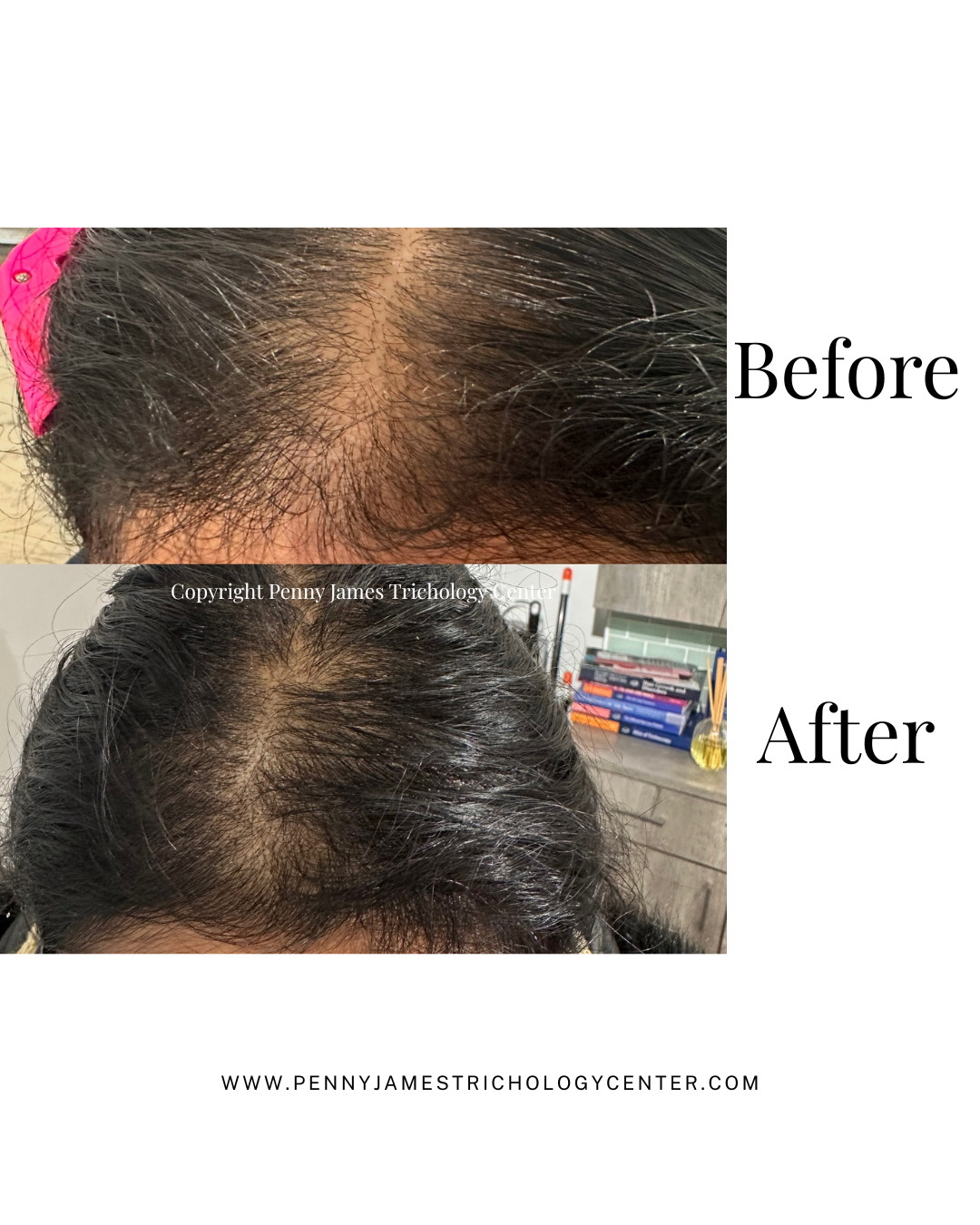
Understanding hair loss, its causes, and how to manage it can empower you to take control of your scalp health. While hair loss may be challenging, it’s something that can be managed and treated with the right knowledge and care. I will see you in a private setting where we will talk about your hair loss. I do not promise to grow back all your hair. I promise an honest diagnosis and a treatment plan with clinically proven peptides, and antioxidant solutions without a prescription.
If you’re noticing changes in your hair, take a proactive step today. Schedule a Scalp Analysis with a trichologist to start your journey toward a healthier scalp and stronger, thicker hair. Remember: Knowledge is power. Take charge of your hair health today.
Copyright 2025 © Penny James Trichology Center
